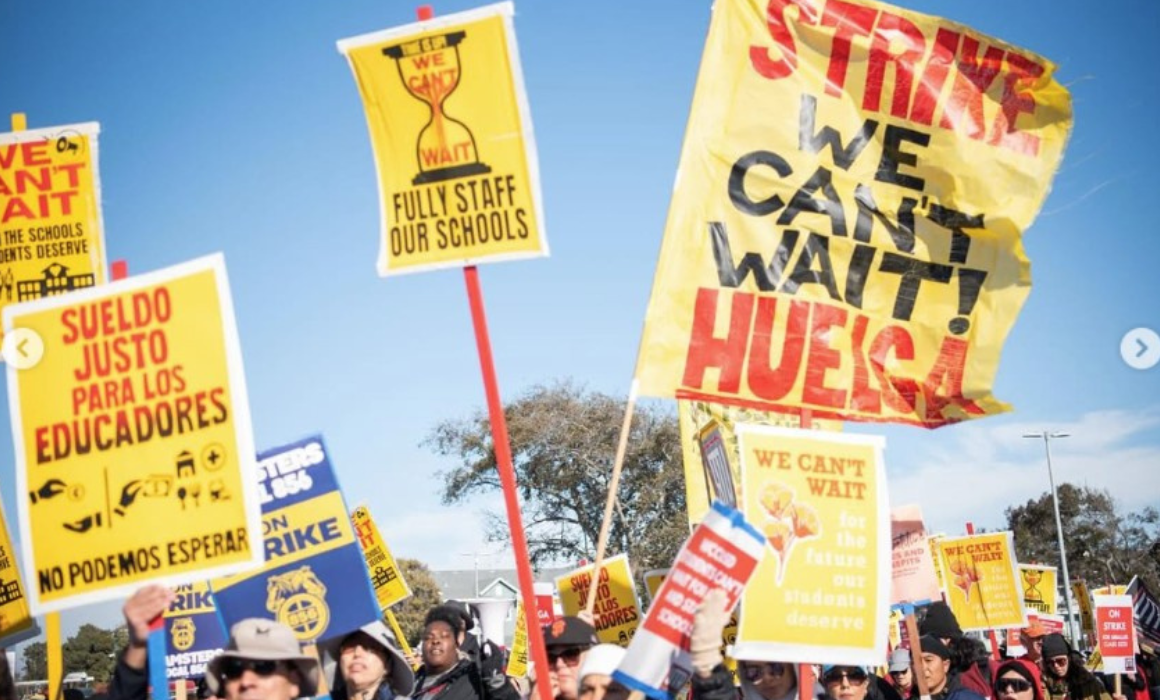
AFTER A HISTORIC 98% strike vote, United Teachers of Richmond (UTR) members held the line for four days in December, winning big for educators and students. But this wasn’t just a local contract win. It was the first real-time test of the power of coordinated campaigns in the We Can’t Wait (WCW) movement and a demonstration of how collective power can force a district to prioritize students over hoarding reserves — and end a culture of managed decline.
UTR members stood tall in the first WCW strike, leading the way for over 80,000 educators in 32 school districts fighting for more than 1 million students. By aligning contract expiration dates, coordinating site structure building and structure tests, WCW locals are maximizing their power, moving from isolated fights to a coordinated campaign that has the power to make our classrooms the priority in local district budgets and set the stage for winning the state funding our students deserve in the fourth-largest economy on the planet.
In Richmond, this strategy was put to the first big test, and the results provide a blueprint for CTA locals across the state.
Districts: Figure It Out
The strike was driven by educators’ refusal to accept the status quo of instability in their classrooms. After years of battling chronic understaffing, where students endure weeks without a permanent teacher and preschoolers who need critical support have no access to speech language therapists and other federally mandated special education services, they stood up and said “The time is now!”
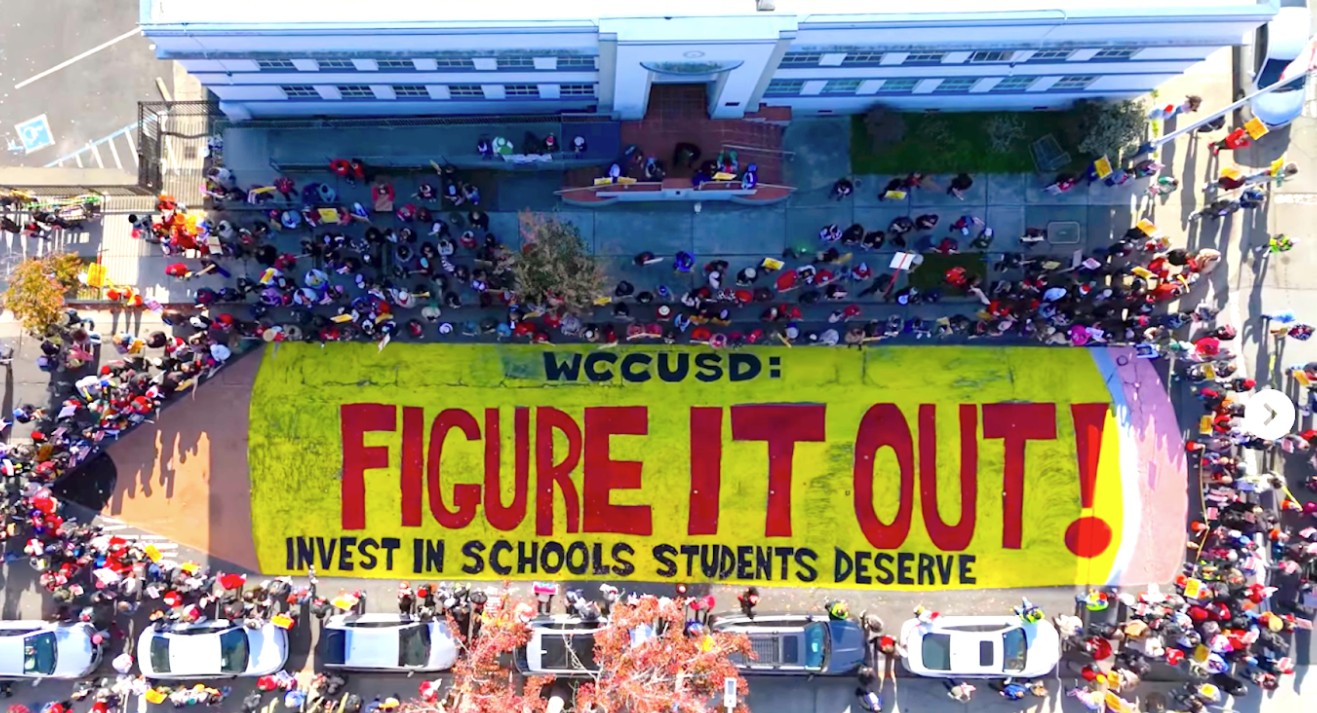
On the last day of the UTR strike, educators and community painted a 100-foot street mural in front of district offices. Photo: Courtesy @dpl19 Dennis Ivan Perez Bravo.
Insufficient pay has led 1,500 educators to leave the West Contra Costa Unified School District (WCCUSD), which includes Richmond, in the last five years. Over 70 vacancies left students sitting in classes without permanent teachers, forced to learn from laptops instead of people who are trained to help them learn and thrive.
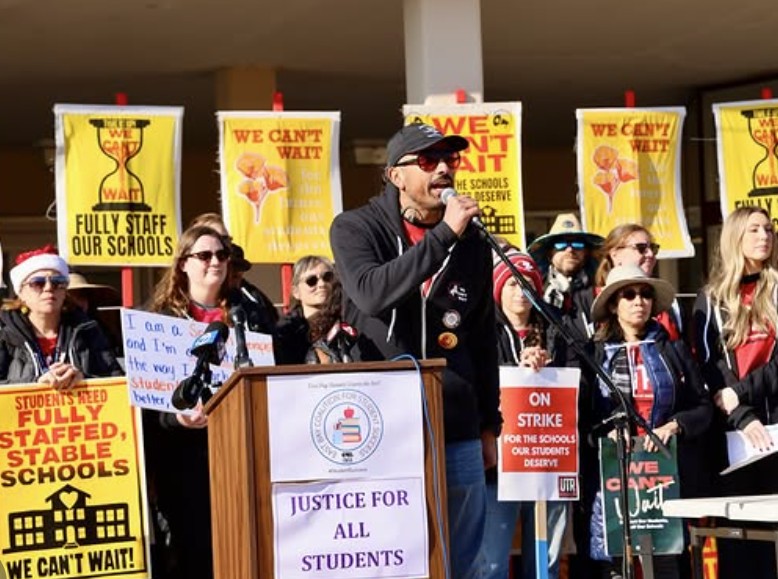
UTR President Francisco Ortiz at a strike rally in December.
Over the course of the strike, the mantra of “Figure it Out!” grew into a rally cry by educators, students and parents. As UTR President Francisco Ortiz pointed out, “We are governed by the same funding formula and the same rules as every other district in California. We face the same state budget landscape.
“Yet other districts have figured out how to staff their schools. Other districts have figured out how to retain experienced educators. Other districts have figured out how to honor the work of school employees so that students have stability.”
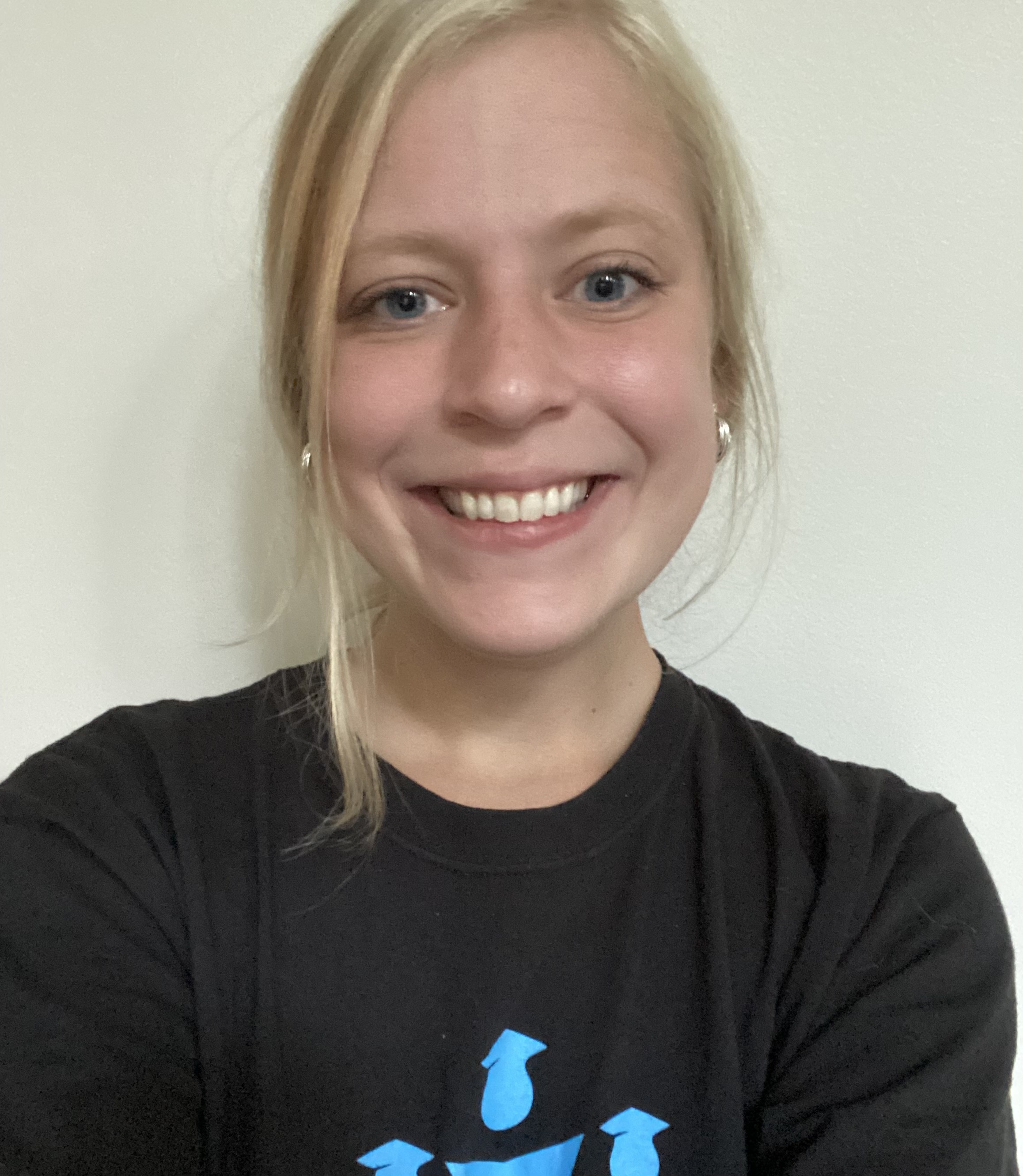
Sam Cleare
“We sounded the alarm bells, we filed the complaints, we rolled up our sleeves at the bargaining table for almost a year but still the district refused to work with us to solve the crisis,” said UTR Organizing Chair Sam Cleare.
For Ortiz, the strike was a matter of necessity. “We struck not out of desire, but out of duty,” Ortiz said. “We feel the harm caused when the district refuses to listen. For too long our students have gone without the stable staffing they need and it doesn’t have to be that way.”
Support from students, parents, community
Engaging students, parents and community early is a critical lesson from the UTR strike. In addition to pulling all stakeholders together to address students’ urgent needs through regular communication and actions, UTR held events such as a joyful art build open to all to help create visually impactful messages — and become a part of the campaign. This built solidarity to fight back against the district’s distorted messaging.
District attempts to characterize the strike as disruptive or harmful could have generated fear and uncertainty. Instead, the community viewed the strike as a truly collective action in defense of public education. Picket lines and rallies were bolstered by support from parents, students, local elected leaders and members of Teamsters Local 856, who joined the strike after rejecting their initial tentative agreement with WCCUSD. Music and protest chants often accompanied the actions.
For years, the district would tell educators and students to wait for better conditions, a response that helped galvanize student support for the strike. Gian Maldonado, a junior at John F Kennedy High School who led a student walkout the day before the strike began, rallied students to support striking workers to improve conditions now, not later. “The district’s favorite word seemed to be ‘later.’ We’ll pay you better ‘later.’ Better working conditions will come ‘later.’ We’ll talk about safe staffing and a fair contract ‘later.’ We stand with teachers to make it clear that ‘later’ is NOW!”
Community solidarity shattered the narrative that strikes hurt our students. Jen Grey, a parent of two district students, joined the line for every day of the strike, and described it as a beautiful civics lesson for her children. “I think you’re showing us what love looks like with its work boots on,” Grey said. “I’m honored to stand with you. I’m grateful my children get to learn from you.”
Tashii Johnson, parent of a student with special needs in Richmond, emphasized that the fight for safe and stable schools was a fight for students’ civil rights. “When we continue to lose our most dedicated and talented educators, that is NOT a budget issue — this is a system failure!”
#WeCan’tWait locals’ solidarity and assistance
Collective, cross-local organizing assistance in the We Can’t Wait campaign served as both direct support for UTR and — perhaps more significantly — as an opportunity to build campaign muscles to use in ongoing struggles and in the fights to come.
This strategy has been in the works since the WCW campaign began. Together, WCW member organizers have been creating a powerful network that shares resources and staff, collectively organizes and plans, builds capacity in individual and groups of locals, and supports and learns from each other.
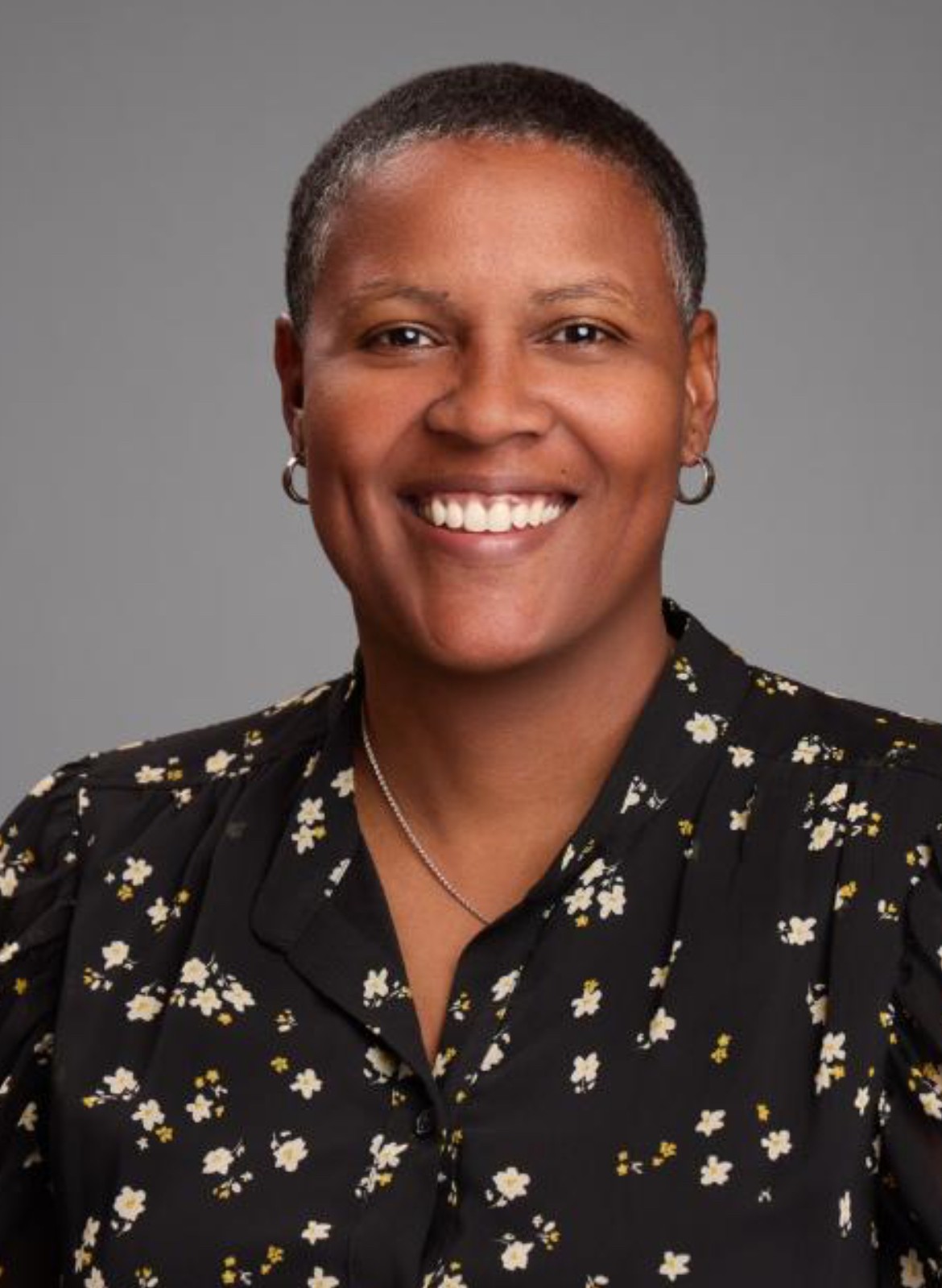
Denisha Jordan
“UTR had never gone on strike before, so they were able to tap into resources from WCW locals with strike experience, such as UTLA and Oakland Education Association,” said Denisha Jordan, a WCW statewide organizer and UTLA member. “I was on the ground with UTR as a strike zone captain, and when questions came up, I could help troubleshoot right there.”
She knows UTR members appreciated the WCW help they received. “I wore my UTLA shirt to show UTR members that Los Angeles stands with them,” Jordan said. “They realized they had support from all throughout the state.”
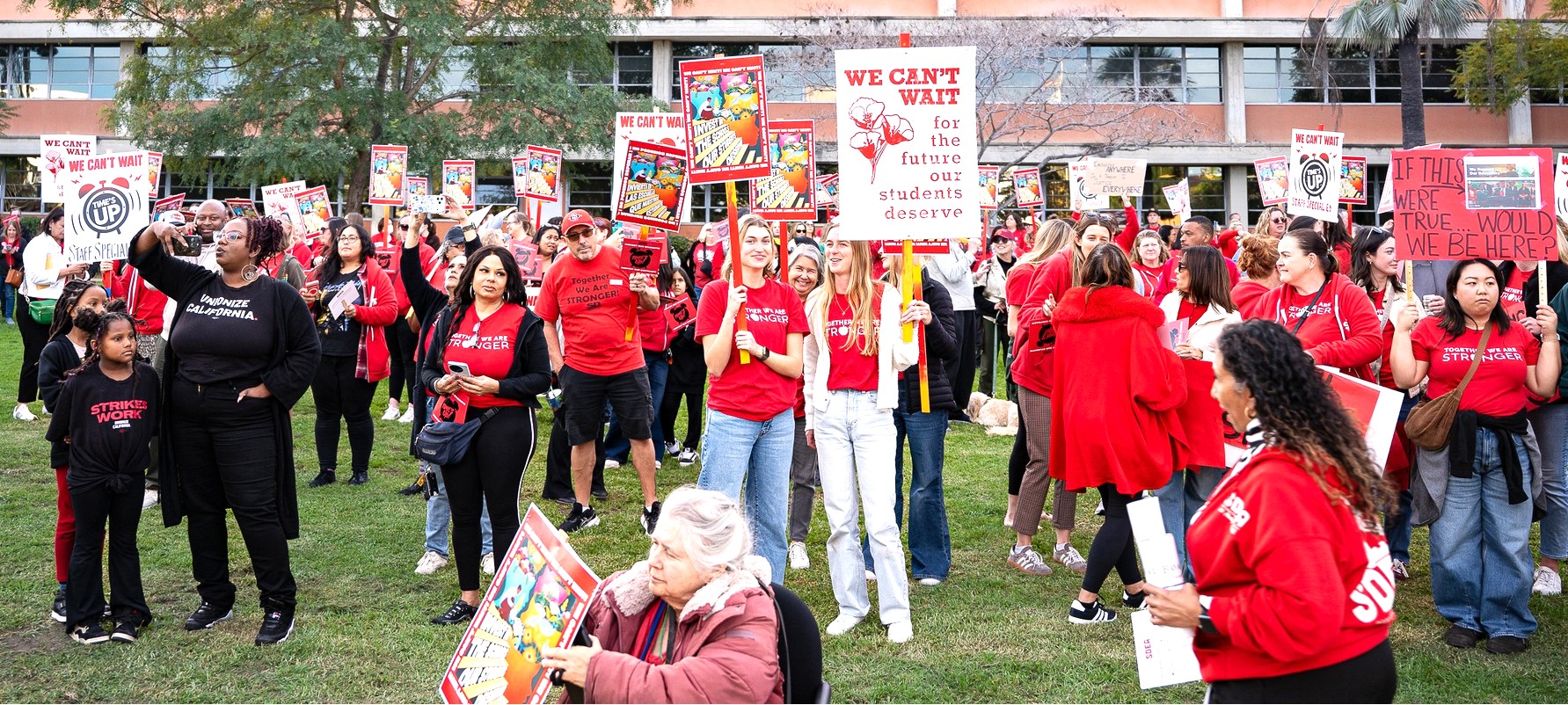
Educators and allies at a San Diego Unified school board meeting in late January; SDEA educators reached agreement with the district in February, after authorizing a one-day strike. Photo: Natalya Hamilton.
The strike was a learning experience for many WCW locals’ members as well. Longtime San Diego Education Association leader Sarah Darr is relatively new to her role as statewide campaign organizer. “SDEA hasn’t had to get strike-ready in 30 years, so it has been essential to walk through the steps together with other locals and think about how those steps might look for us,” said Darr, as SDEA was gearing up for a one-day strike in late February that was settled on Feb. 12. “UTR’s insight on messaging was particularly timely as we navigated our district’s response to our strike vote.
“With UTR as the first WCW local on strike, the rest of us have seen what it takes to go from building to strike-readiness, to planning and pulling off a successful strike. The fact that member leaders from so many WCW locals traveled to Richmond to offer support was a powerful demonstration of our solidarity.”
Darr, Jordan and other WCW core local statewide organizers meet several times a month, updating each other, offering advice and seeking more ways to collaborate.
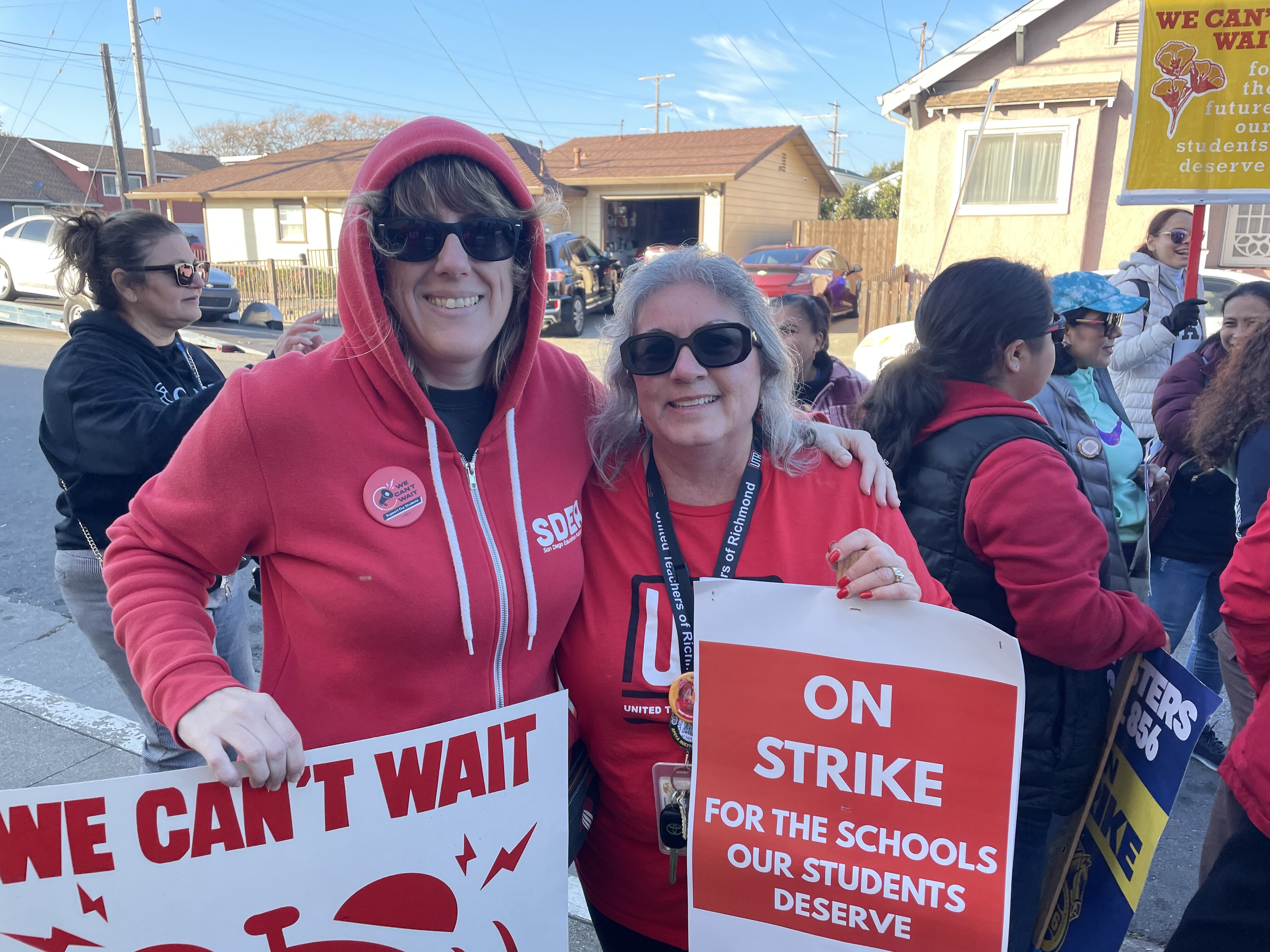
Sarah Darr, left, with Stephanie Wagner, UTR site rep at Grant Elementary School in Richmond.
“Effective coalition building takes time,” Darr said of working with her counterparts in other WCW locals. “Over the last year and a half, we have inspired one another with effective and creative ideas for building strong site structures, planning campaign actions, and holding strike votes.”
“The We Can’t Wait campaign is rooted in support for one another, we are committed to having each other’s back and supporting each other the best we can,” Jordan said. “We act like the bridge between individual local campaigns and WCW — making sure connections between them are always present.”
Building power as we move forward
The powerful combination of strong picket lines and community, political and #WeCantWait support led to UTR members achieving big contract wins, including fully paid family health insurance and a substantial wage increase that together will help end the staffing crisis in West Contra Costa County schools.
The UTR strike proves that we can overcome anti-strike fear that is pushed aggressively by districts and anti-education forces by infusing real joy into our struggles — through powerful solidarity but also by incorporating art and music and community into our organizing as a critical part of a successful strike.
UTR would not have achieved a victory of this scale without using the ultimate leverage tactic for our union, which is withholding our labor and going on strike. One key lesson from UTR is that while we don’t always have to strike to win, there are things we can’t win without a strike. This is a blueprint not just for winning the resources our students deserve but also for overcoming the forces of austerity in our districts, our counties and at the state level.
We Can’t Wait!
The #WeCantWait movement involves 32 local unions representing more than 80,000 members who support more than 1 million students in California. By aligning contract expiration dates and coordinating site structure building, these locals are maximizing their collective strength, moving from isolated fights to a powerful unified campaign. The goal is to make our classrooms the priority in local district budgets and set the stage for winning the state funding our students deserve in the fourth-largest economy in the world. Visit wecantwait.info for more.
Related Reading
- “The Art of Organizing: United Teachers of Richmond,” California Educator
(cta.org/educator/posts/the-art-of-organizing)
• “How to Strike and Win,” Labor Notes
(labornotes.org/strikes)
• “California Educators Sync Up Negotiations for More Leverage,” Labor Notes
(bit.ly/4kw7atJ)
Somewhere between Day 2 and Hope
Richmond parent Jen Grey wrote a poem for UTR educators during the strike and read it at a UTR rally:
A child’s mind is inarguably
shaped by the method of
their education.
But their character- the way
they might go on to wield it-that
is built upon the values
lived and modeled by
their teachers.
It’s upon that thought I set
my sights-
as we navigate this labor strike,
as we grieve the loss and
mourn the cost
of our students missing school.
For, I attest, they are learning.
Their teachers are teaching.
A different lesson,
in a heartbreakingly
beautiful way,
that could break me if I wasn’t
so damn inspired…
My children joined the picket
line without an ounce of fear.
A culmination of the education
they have received this year:
‘Protect What You Love.’
Up the hill. Against the odds.
Despite the chaos. Through
the fog.
See darkness as an oath
towards dawn.
Be what love looks like
with its work boots on.
The Discussion 0 comments Post a Comment