
THE FIRST-EVER lawsuit filed to enforce the landmark 2004 Williams v. California settlement resulted in a victory for students, parents and educators in West Contra Costa County in late March.
In Cleare v. West Contra Costa Unified School District, the California First District Court of Appeal found that WCCUSD failed to carry its burden of demonstrating it had exhausted all available options to fill teacher vacancies. The Williams guarantee, of a qualified teacher in every classroom, remains the law.
The ruling reverses a 2024 Contra Costa Superior Court decision that had excused the district’s illegal staffing practices on the grounds that a statewide teacher shortage made compliance “impossible.” The appeals court rejected that reasoning, making clear that districts must show they have done everything available to them before claiming they cannot comply with the law.
“By breaking the law, the district has stolen educational opportunities for thousands of children. This is a crucial step to holding our district leadership accountable and providing every child everywhere with an educator in the classroom.” —United Teachers of Richmond Organizing Chair Sam Cleare
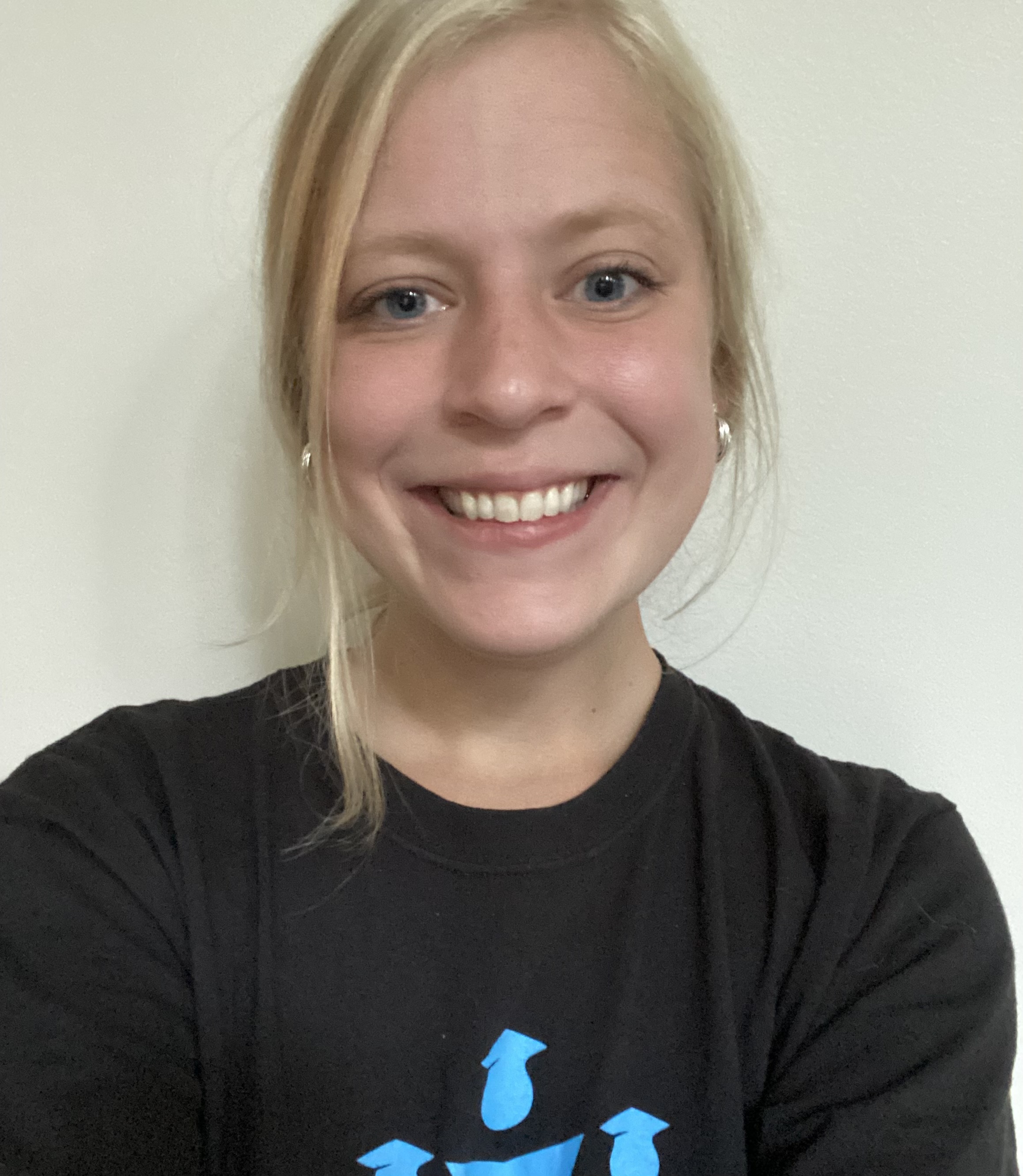
UTR Organizing Chair and lead plaintiff Sam Cleare
“The WCCUSD community has faced negligence for too long,” said Sam Cleare, lead plaintiff, United Teachers of Richmond (UTR) organizing chair and educator in WCCUSD. “By breaking the law, the district has stolen educational opportunities for thousands of children. This is a crucial step to holding our district leadership accountable and providing every child everywhere with an educator in the classroom.”
The Williams v. California settlement requires the state to ensure all public school students have equal access to instructional materials, safe/clean facilities, and qualified teachers. It resulted in nearly $1 billion in funding for school repairs and materials and established a formal complaint process for deficiencies.
Cleare v. WCCUSD was filed in July 2024 by civil rights law firm Public Advocates, a lead counsel on the Williams case, and pro bono counsel Munger, Tolles & Olson LLP, on behalf of six educators, parents and staff at Stege Elementary, Helms Middle and John F. Kennedy High schools. Students at these schools — who are disproportionately Black, Latinx and from lower-income families — had endured years of rotating, uncertified substitutes while WCCUSD employed scores of fully credentialed administrators and some teachers in non-classroom assignments and never pursued other available certification options, including last-resort state waivers.
“California law mandates the District’s duty to fill every classroom with a permanent and qualified teacher for the school year,” the court wrote in its judgment.
“This ruling is a victory not just for the students in West Contra Costa Unified, but for every student in California who is owed a qualified teacher,” said Karissa Provenza, Public Advocates staff attorney. “For over two years, I watched the district consistently fail its most marginalized students with little regard — and then kick the can down the road and ask to be excused for it. The court agreed that ‘delay is not a real option when the quality of children’s education is at issue.’”
The decision has statewide significance. No other California school district had taken the position that a teacher shortage excuses years of failing to provide students with a certificated teacher, per the law. A ruling in WCCUSD’s favor would have opened the door for districts across the state to abandon California’s more than 20-year Williams guarantee.
UTR President Francisco Ortiz has said that this year the district had about 140 substitute teachers.
“It’s validating that after so many years of us sounding the alarm and really trying to bring attention to the district to actually make this a priority, that the court is in agreement,” Ortiz told Richmondside. “It’s a good victory for our students and for the rest of California.”
Top photo caption: UTR members went on strike to demand fully staffed schools, among other things.
The Discussion 0 comments Post a Comment